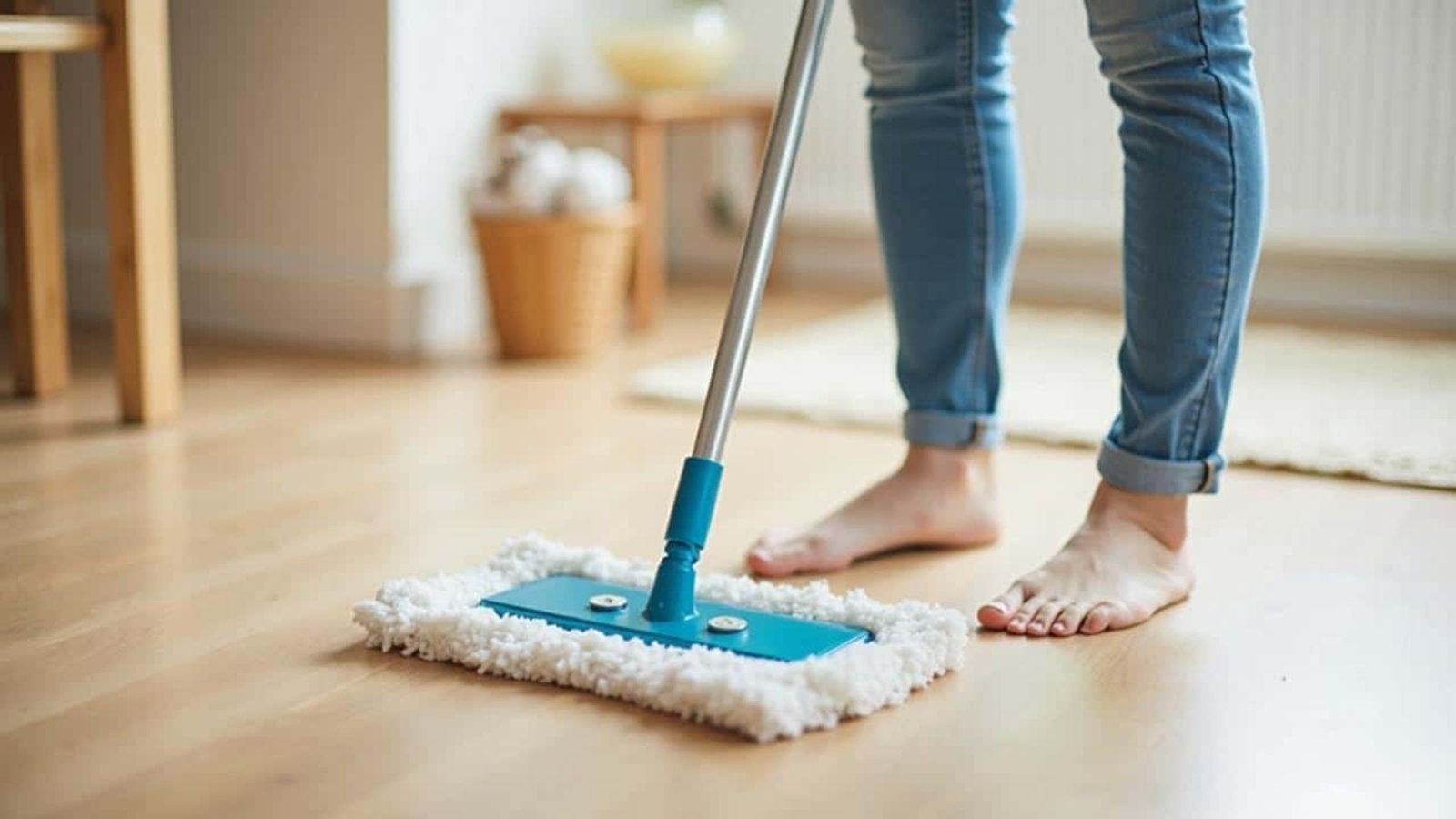
In today’s busy world, keeping your home smelling clean and inviting can feel like a never-ending battle. You mop the floors, spritz on some air freshener, and within a day or two, that stale odor creeps back in—especially in high-traffic spots like the kitchen or living room. But what if there was a super-simple trick using something you already have in your pantry that could make your floors stay fresh and shiny for almost seven days?
Discover this game-changing cleaning hack that’s taking homes by storm: just one spoonful of everyday white vinegar mixed into your mop water. This isn’t some fancy product or expensive gadget—it’s a cheap, natural way to banish odors and leave your space feeling radiant and cared for. Whether you have kids, pets, or just a lot of foot traffic, this easy routine will save you time and money while transforming your weekly clean. Ready to say goodbye to quick-fading freshness? Let’s dive in and learn how this kitchen hero works its magic.
Why White Vinegar Is Your New Best Friend for Floor Cleaning
White vinegar might sound like an odd choice for mopping—after all, it’s mostly known for jazzing up salads or tackling tough stains in the bathroom. But don’t let its tangy reputation fool you. This humble household item, made from diluted acetic acid, is a powerhouse for keeping floors spotless and smelling great long-term. At just pennies per use, it’s one of the most affordable cleaning solutions out there, and it’s free from harsh chemicals that can irritate your skin or harm the environment.
The Science Behind the Long-Lasting Freshness
Ever wonder why your floors lose that “just-cleaned” vibe so fast? It’s often due to leftover grime, soap buildup, or everyday smells from cooking, pets, and shoes that get trapped in tiny crevices. White vinegar steps in like a natural detective: its mild acidity dissolves greasy residues and neutralizes bad odors at the source, rather than just masking them with artificial scents.
Unlike many store-bought floor cleaners that rely on strong fragrances (which fade quickly and can sometimes make things smell worse over time), vinegar creates a subtle, clean aroma that lingers because it actually cleans deeper. As the floor dries, any faint sharpness evaporates, leaving behind a light, airy freshness—like the scent of fresh laundry drying in the breeze. Studies and cleaning experts back this up: acetic acid in vinegar has natural antibacterial properties that kill germs without residue, helping your floors resist new odors for days.
Real-Life Wins from Everyday Users
Picture this: A busy parent in a cozy apartment mops once a week with this mix and still gets compliments mid-week on how “fresh” the place smells. Or think of pet owners who notice their homes feel less stuffy after just one try. This hack isn’t hype—it’s a quiet game-changer that stretches your cleaning efforts, giving you more time for what matters, like family dinners or relaxing on the couch. And with rising costs for cleaning supplies, using something you likely already own? That’s a win for your wallet and your well-being.
Step-by-Step Guide: How to Mix and Mop for Week-Long Freshness
Getting this right is as easy as making a cup of tea—no special skills needed. Follow these simple steps, and you’ll have floors that sparkle and smell amazing for nearly a full week. Pro tip: Do this on a sunny day when you can open windows to speed up drying and enhance that fresh-air vibe.
What You’ll Need
- A standard mop bucket (about 4-5 liters capacity)
- Your regular floor cleaner (mild soap or multi-surface formula)
- 1 tablespoon of plain white vinegar (distilled is best—avoid flavored kinds like apple cider)
- Warm water (not hot, to avoid damaging floors)
- Your favorite mop
Easy Instructions
- Prep Your Bucket: Fill it halfway with warm water. Add your usual scoop or splash of floor cleaner, just like you always do. This combo ensures you get both deep cleaning and that extra odor-fighting boost.
- Add the Magic Ingredient: Stir in one level tablespoon of white vinegar. For bigger spaces or tougher jobs, bump it up to two—but start small to see how your nose likes it. Give everything a quick swirl to mix evenly.
- Mop Smartly: Sweep or vacuum loose dirt first to avoid scratching. Dip your mop, wring it out well (you want damp, not dripping), and work in small sections. Use gentle, overlapping strokes to cover every inch without soaking the floor.
- Dry and Enjoy: Let the floors air-dry naturally—prop open doors if possible. Within 20-30 minutes, the vinegar’s tang will fade, revealing that soft, clean scent. Walk barefoot to feel the shine!
This routine takes no extra time than your normal mop but delivers results that last. In tests shared by home enthusiasts, floors treated this way stayed odor-free through spills, playtime, and even dinner parties.
Quick Tips for Success
- Always test in a hidden spot if you have unsealed wood, tile with grout, or laminate—vinegar is gentle but can etch sensitive surfaces if too strong.
- For super-grimy areas, add a pinch of baking soda to the mix for extra fizzing power against stuck-on spots.
- Store leftover solution in a spray bottle for spot cleans between full mops.
Boost Your Results: Benefits and Custom Twists
Why stick to basic mopping when you can level up? This vinegar hack isn’t one-size-fits-all—tweak it for your home’s needs and watch the benefits stack up.
Top Benefits at a Glance
Here’s a handy table breaking down why this method shines (pun intended) compared to traditional cleaning:
| Benefit | How It Helps Your Home | Why It Beats Regular Cleaners |
|---|---|---|
| Long-Lasting Scent | Keeps floors fresh for 5-7 days | Neutralizes odors instead of covering them up |
| Budget-Saver | Costs under 5 cents per use | Uses pantry staple—no need for pricey sprays |
| Eco-Friendly | Biodegradable and non-toxic | Cuts down on plastic bottles and chemicals |
| Deeper Clean | Breaks down grease and bacteria | Acidity tackles residue that soaps miss |
| Pet & Kid Safe | Mild when diluted; no harsh fumes | Dries to a neutral, non-slippery finish |
As you can see, it’s not just about smell—it’s about a healthier, happier space that feels radiant without the effort.
Fun Variations for Different Floors
- Kitchen Focus: Add a drop of lemon essential oil to the bucket for a citrus zing that fights cooking smells.
- Pet-Friendly Twist: Mix in a teaspoon of baking soda to absorb pet odors extra-fast.
- Hardwood Hack: Dilute even more (half a spoon) and follow with a microfiber cloth for shine without streaks.
These tweaks keep things exciting while optimizing for your lifestyle. Remember, consistency is key—make it a weekly ritual, and you’ll notice your home feels lighter and more welcoming overall.
Conclusion: Make Fresh Floors Your New Normal
Who knew one little spoonful could turn mopping from a chore into a secret weapon for a fresher home? By blending white vinegar into your routine, you’re not just cleaning—you’re creating a space that smells inviting and stays that way for nearly a week. This simple, affordable hack proves that the best solutions are often the ones hiding in your kitchen cabinet, ready to make your life easier and your floors fabulous.
Give it a try this weekend, and feel the difference: less scrubbing, more savoring those clean, radiant vibes. Your family (and your nose) will thank you. What’s stopping you? Grab that vinegar bottle and mop your way to a brighter, better-smelling tomorrow—because a fresh home starts with one smart step.
FAQ: Your Burning Questions About the Vinegar Mop Hack
Got questions? We’ve rounded up the top ones based on what real users are asking today. These fresh insights come straight from recent home cleaning chats and expert tips.
Will My House Smell Like Pickles After Using Vinegar?
Nope! The tangy whiff is only during mopping and vanishes as it dries. With the right dose, you’re left with a subtle, clean freshness—not a salad bar takeover.
Can I Use This on All Floor Types?
It’s great for tile, vinyl, and sealed hardwood. Skip it on natural stone or waxed floors unless you test a small area first—vinegar’s acidity is mild but can dull finishes over time.
How Much Does This Really Save Me Money?
A gallon of white vinegar costs about $3 and lasts months for mopping. Compare that to $10+ bottles of scented cleaners that run out fast—easy savings of 50-70% per clean.
Is It Safe Around Kids and Pets?
Absolutely, when diluted properly. The solution is non-toxic, but always let floors dry fully before little ones or furry friends roam. No worries about fumes or slips.
What If I Don’t Have White Vinegar—Any Substitutes?
Apple cider vinegar works in a pinch but might tint grout. For a vinegar-free option, try a splash of lemon juice, though it won’t last as long on odors.
How Often Should I Do This for Best Results?
Once a week for most homes, or twice in busy zones like entryways. Adjust based on traffic—it’s flexible and forgiving!
For more daily cleaning wins, check out our latest tips on natural home hacks. What’s your go-to floor freshener? Share in the comments!