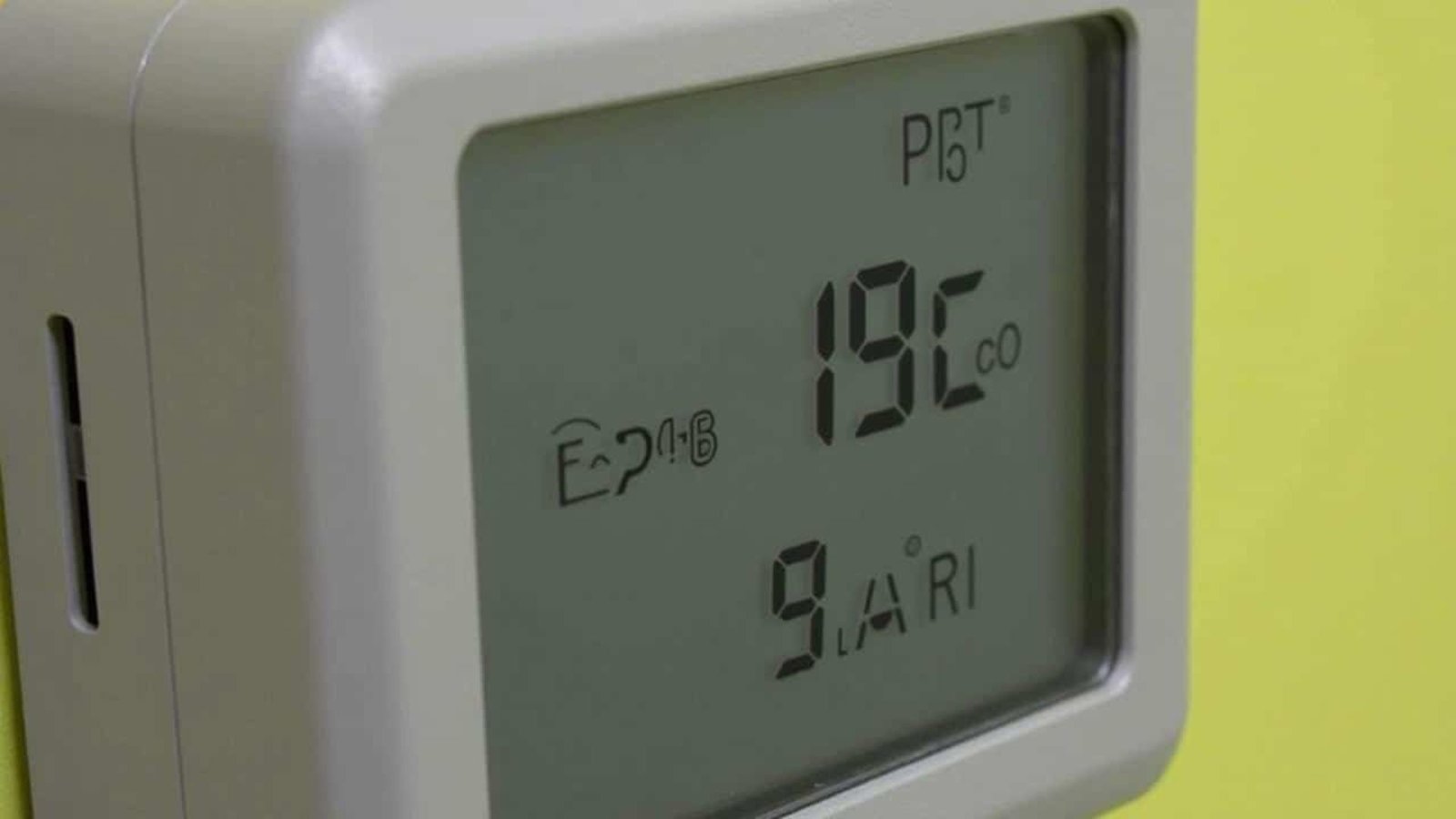
In the chilly grip of winter, your thermostat has long been the unsung hero—or villain—of home life. For years, 19°C was the go-to number everyone swore by. It promised a balance: cozy enough to fend off the frost without guzzling too much energy or cash. But here’s the eye-opening truth: that old standard is fading fast. Recent insights from health pros, energy gurus, and everyday homeowners reveal it’s time for an upgrade. Welcome to the new era of smart heating, where 20-21°C takes center stage for your main living areas. This isn’t just about feeling toasty; it’s about smarter choices that boost well-being while keeping bills in check.
Picture this: You’re hunkered down for a remote workday, fingers numb on the keyboard, even with a sweater layered on. Or maybe it’s family movie night, and the kids are bundled like Eskimos on the couch. If 19°C leaves you shivering, you’re not alone. Today’s homes—with their drafty windows, open layouts, and sedentary lifestyles—demand more. In this guide, we’ll unpack why the 19°C rule is outdated, what fresh recommendations mean for you, and practical tips to heat wisely. Whether you’re battling rising energy costs or just craving real comfort, these updates could transform your winter routine. Let’s dive in and turn up the dial on better home warmth.
Why the Old 19°C Standard No Longer Cuts It
Remember when 19°C was hailed as the sweet spot? It popped up in energy-saving tips, government advice, and eco-friendly blogs everywhere. Back then, homes were built sturdier, winters felt milder, and folks didn’t spend hours glued to screens in one spot. Fast-forward to now: Modern living has flipped the script. Vast windows let cold sneak in, open-plan spaces spread chill evenly, and remote work means more time parked in one room, barely moving.
The result? Your body rebels against that “magic” 19°C. Science backs this up—prolonged time in cooler air slows circulation, spikes stress hormones, and even raises blood pressure risks, especially for kids, seniors, or those with health tweaks. A recent UK poll during tough energy times showed over 50% of folks cranking past 19°C in the evenings, despite preaching lower settings. Why the disconnect? Because real life isn’t a textbook. Sitting still for eight hours drops your core temp, turning a “sensible” 19°C into a teeth-chatterer.
Health bodies across Europe are catching on, easing away from rigid rules toward flexible zones. No more one-size-fits-all guilt trips. Instead, think personalized warmth that nods to your home’s quirks, your daily grind, and who’s under the roof. This shift isn’t reckless—it’s realistic. It acknowledges that skimping on heat can backfire on sleep, focus, and mood, costing more in doctor visits than a few extra pennies on gas.
The Fresh Comfort Zone: 20-21°C for Everyday Living Spaces
So, what’s the new benchmark? Drumroll: Experts now point to 20-21°C as the prime range for spots where you linger—like living rooms, home offices, or kitchens during meals. This isn’t pulled from thin air; it’s rooted in studies blending body science, building efficiency, and user feedback. At these levels, your muscles relax, productivity hums, and that nagging chill fades without overkill.
For context, bedrooms and hallways can dip to 18-19°C overnight—cooler for better sleep, but not arctic. Bathrooms? A quick 22°C burst post-shower keeps steam cozy without waste. One eye-opening case: A French household stuck to 19°C for months. The adults toughed it out, but their teen, buried in homework, ended up tense and grumpy. Bumping evenings to 20.5°C? Bills rose just 7%, but family harmony soared way higher.
Energy whizzes emphasize “bands” over bullseyes—adapt based on age, activity, and insulation. Fragile folks or poorly sealed pads might need the upper end; active homes with top-notch drafts can lean lower. The payoff? Health perks like fewer colds and steadier moods, plus energy smarts that trim waste where it counts. Ditch the outdated 19°C dogma; embrace this tuned-in approach for a home that feels alive, not just heated.
Master Zoned Heating: Warm Where It Matters Most
Gone are the days of blanketing your whole house in uniform heat— that’s like revving your car in every room. The smartest play? Zone it like a pro. Focus 20-21°C on high-traffic hubs: the living room sofa for Netflix marathons or your desk for Zoom marathons. Let guest rooms or corridors chill at 18°C; they’re not earning their keep.
Heating engineers swear by this: Tweak radiator valves slightly in low-use areas, drop the whole setup 1-2°C when you’re out or asleep, and use timers for peak coziness. It’s like curating a playlist—hits in the spotlight, mellow tracks elsewhere. A top energy advisor nailed it: “Forget debating 19°C’s ‘goodness.’ Ask: Where do you crave 20°C, and where 18°C suffices?” This mindset flips heating from chore to choice, blending thrift with toasty vibes.
Real talk: Perfection’s overrated. No one’s logging temps like a scientist daily. Start simple—test 20°C for a week in your main spot, note the feels and the meter. Adjust for weather swings or routine shifts. Pro tip: Pair it with low-lift wins like sealing gaps or layering rugs. You’ll snag comfort upgrades without the bill shock, proving zoned warmth is the real MVP for modern homes.
Health and Happiness: How the Right Temp Boosts Your Well-Being
Numbers on a dial aren’t just digits—they’re daily deciders for your vibe. Skimp too low, and cold stress sneaks in: Tighter muscles, foggy brains, even bumped heart strain per health reports. Hit 20-21°C in active zones, though? Magic happens. Better sleep cycles, sharper focus, fewer “brr” blues. It’s especially clutch for vulnerable groups—little ones play freer, elders dodge chills that worsen aches.
This isn’t fluffy talk; labs link steady warmth to lower respiratory woes and peppier immunity. Yet balance reigns: Overheat, and you’re frying energy budgets plus air quality. The new recs strike gold—flexible enough for life’s curveballs, firm on facts. Experiment guilt-free: Track how 20.5°C evenings lift your post-dinner unwind versus 19°C slumps. Share hacks with housemates; turn thermostat tweaks into team talks. Ultimately, warmth’s your ally, not adversary—fueling days that hum, not hibernate.
Energy Savings Table: Quick Wins for Your Wallet
To make it crystal clear, here’s a breakdown of how small temp shifts play out. This table highlights potential yearly gas savings (based on average UK homes with moderate insulation—your mileage may vary). Use it to map your moves.
| Room/Area | Recommended Temp (°C) | Potential Savings per Degree Lower | Tips for Implementation |
|---|---|---|---|
| Living Room (Daytime) | 20-21 | £20-30 annually | Timer for work hours; add throws for extra coziness |
| Bedroom (Night) | 17-19 | £15-25 annually | Heavy duvets; vent slightly for fresh air |
| Hallway/Corridor | 18 | £10-15 annually | Partial radiator valve; close doors to trap heat |
| Bathroom (Use Only) | 22 (briefly) | £5-10 annually | Boost on demand; towel rails for linger warmth |
| Whole House (Away) | Drop 1-2 | £40-60 annually | Smart app controls; seal drafts first |
Note: Estimates from energy studies; factor in your setup for precision. Total savings could hit £100+ yearly with consistent zoning.
Wrapping It Up: Your Path to Smarter, Cozier Winters
The 19°C era? It’s officially toast. By leaning into 20-21°C for key spaces, you’re not splurging—you’re investing in health, harmony, and hidden savings. This isn’t a blanket ban on thrift; it’s empowerment. Zone smart, layer up, and listen to your home’s hum. As winters evolve, so should we—ditching dogma for dial-ins that fit your life. Ready to tweak that thermostat? Your warmer, wiser self awaits. Consult a local pro for tailored advice, and here’s to holidays (and every day) wrapped in just-right warmth.
FAQ: Your Burning Questions on Home Heating Temps
Is 19°C Really Too Chilly for Modern Homes?
Not always “too chilly,” but it’s often the bare minimum. If you’re desk-bound or have kids/elders around, it can feel punishing. Experts say it’s fine for quick passes but skimpy for long hauls.
What’s the Go-To Temp for Living Rooms Now?
Aim for 20-21°C during occupied hours—perfect for lounging, working, or family time. It keeps things comfy without excess.
Do All Rooms Need the Same Heat Level?
Nope! Bedrooms thrive at 17-19°C for sleep perks; main areas get the 20-21°C spotlight. Zoning saves big.
Will Bumping Up 1°C Tank My Energy Bill?
Expect a 5-7% uptick per degree, but smart zoning offsets it. Track a month to see your true impact.
Quick Ways to Feel Warmer Without Cranking the Heat?
Layer rugs/curtains, zap feet with mats, or snag a heated blanket. Seal leaks first—it’s free warmth!