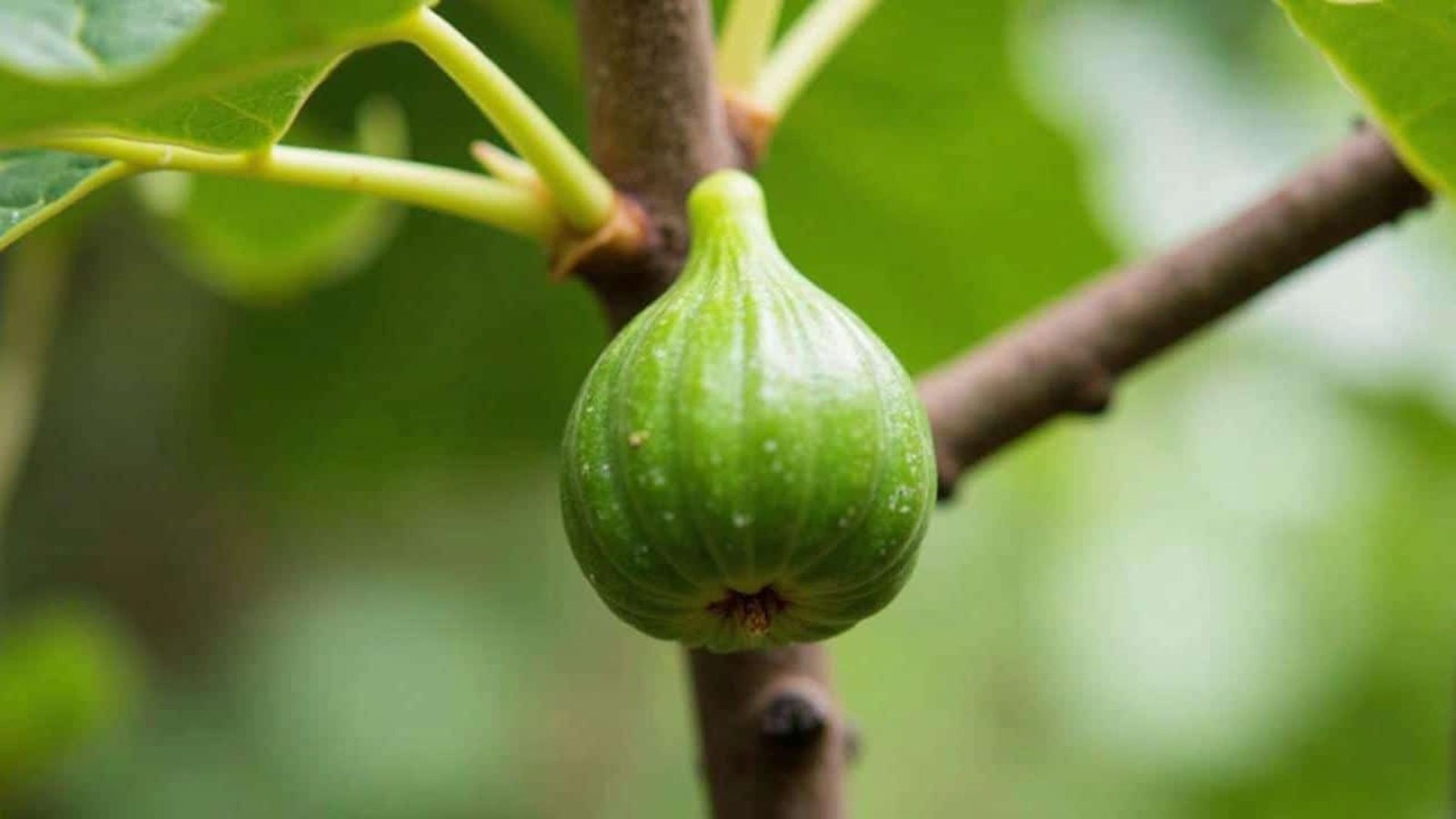
Taking cuttings from a fig tree is one of the easiest and cheapest ways to grow new fig trees for free. Late autumn (October–November) is actually the BEST time in the UK to do it because the tree is going dormant, the wood is full of stored energy, and the cuttings root quickly when spring arrives.
This simple guide will show you exactly how to take fig cuttings, root them, and grow strong, fruit-bearing trees – even if you’ve never propagated anything before.
Why Late Autumn is the Ideal Time for Fig Cuttings
Fig trees (Ficus carica) are incredibly easy to propagate from hardwood cuttings taken in late autumn or winter. Here’s why October–November works so well in the UK:
- The tree has finished growing for the year and the wood is “ripe” (hardened off).
- Sap levels are low, so cuttings lose less water.
- Cold weather keeps the cuttings dormant until spring, then they burst into root as soon as it warms up.
- Success rate is often 80–95 % when done correctly.
What You Will Need
| Item | Why You Need It | Budget Option |
|---|---|---|
| Sharp secateurs or knife | Clean cuts heal faster | Any sharp garden scissors |
| Fig tree (healthy) | Source of cuttings | Ask a neighbour or friend |
| Pots or deep containers | To plant the cuttings | Old plant pots or milk cartons |
| Free-draining compost mix | Prevents rotting | 50/50 multipurpose + grit/perlite |
| Clear plastic bags or bottle | Creates mini greenhouse | Cut-off plastic bottles |
| Hormone rooting powder (optional) | Speeds up rooting | Not essential – figs root easily |
Step-by-Step: How to Take Fig Cuttings in Late Autumn
Step 1 – Choose the Right Wood
Look for this year’s growth – straight, pencil-thick shoots about 20–30 cm (8–12 inches) long. They should be:
- Healthy and disease-free
- From a tree that fruits well (you’ll get the exact same variety)
- Not too thin or too thick
Step 2 – Make the Cuts
- Cut just below a bud/node at the bottom (straight cut).
- Cut about 1–2 cm above a bud at the top (angled cut so you know which way is up).
- Ideal length: 20–30 cm (8–12 in).
- Remove any remaining leaves and soft tips.
Quick Tip: If the shoot is longer, cut it into several cuttings – each with at least 3–4 buds.
Step 3 – Wound the Bottom (Optional but Helps)
Very lightly scrape 2–3 cm of bark from two opposite sides at the base. This exposes the cambium layer and encourages faster rooting. Don’t go mad – just a light scrape.
Step 4 – Use Rooting Hormone (Optional)
Dip the bottom 2 cm in rooting powder or gel. Tap off excess. Figs root very well without it, but it can speed things up by 2–3 weeks.
Step 5 – Plant the Cuttings
- Fill a deep pot with free-draining compost (add grit, perlite or sand).
- Make a hole with a stick and insert the cutting so that ⅔ is buried (only 1–2 buds above soil).
- Firm the compost gently around it.
- Water lightly.
Step 6 – Protect Over Winter
- Place pots in a cold frame, unheated greenhouse, or sheltered spot against a wall.
- Or cover each pot with a clear plastic bag or cut-off bottle to keep humidity high.
- They need cold (but not hard frost) – ideal 0–10 °C.
Step 7 – Wait for Spring
Do nothing until March/April. The cuttings will look dead all winter – that’s normal.
In spring you’ll see new leaves appear – that means roots have formed!
Step 8 – Pot On or Plant Out
When new growth is 10–15 cm long, move to bigger pots or plant in the ground (after last frost).
Where to Keep Fig Cuttings in the UK Winter
| Location | Pros | Cons |
|---|---|---|
| Cold greenhouse / polytunnel | Best protection, highest success | Costs money or space |
| Cold frame | Good protection, cheap | Can get very wet |
| Sheltered spot outdoors | Free, works well | Risk if very cold/wet winter |
| Garage or shed (cool) | Safe from worst weather | Can be too dry – check often |
Common Mistakes to Avoid
| Mistake | What Happens | How to Fix It |
|---|---|---|
| Taking cuttings in summer | They dry out and die | Only take hardwood in autumn/winter |
| Burying too shallow | Cuttings dry out | Bury at least ⅔ of the length |
| Keeping too warm in winter | Rot instead of rooting | Keep cool and barely moist |
| Overwatering | Cuttings rot | Water only when compost is dry |
When Will Your New Fig Tree Fruit?
- Year 1: Roots and leaves
- Year 2: Good growth, maybe a few figs
- Year 3: Heavy crop of delicious figs
Frequently Asked Questions (FAQ) – Updated November 2025
Q: Can I take fig cuttings in spring or summer?
A: Yes, but success is much lower. Hardwood cuttings in late autumn give the best results.
Q: Do fig cuttings need bottom heat?
A: No. Figs hate being too warm in winter. Cool and dormant is perfect.
Q: My cutting has no leaves in March – is it dead?
A: Almost certainly not! Wait until April/May – they often leaf out late.
Q: Can I grow figs in pots forever?
A: Yes – many people keep them in 30–50 litre pots and get big crops.
Q: Which fig varieties root the easiest?
A: Brown Turkey, Brunswick, Violette de Bordeaux and Ice Crystal all root very easily.
Q: Can I plant the cuttings straight in the ground?
A: Yes in mild areas (south UK). Dig a trench, add sand, plant deep and heel in well.
Conclusion
Taking fig cuttings in late autumn is almost foolproof and completely free. In just 2–3 years you can have a beautiful, fruit-laden fig tree that is genetically identical to your favourite one.
Grab your secateurs this weekend, take 10–20 cuttings (some may fail), and by summer 2026 you’ll have strong young fig trees ready to plant or give away to friends.
Happy propagating – there’s nothing more satisfying than eating figs from a tree you grew yourself from a simple stick!