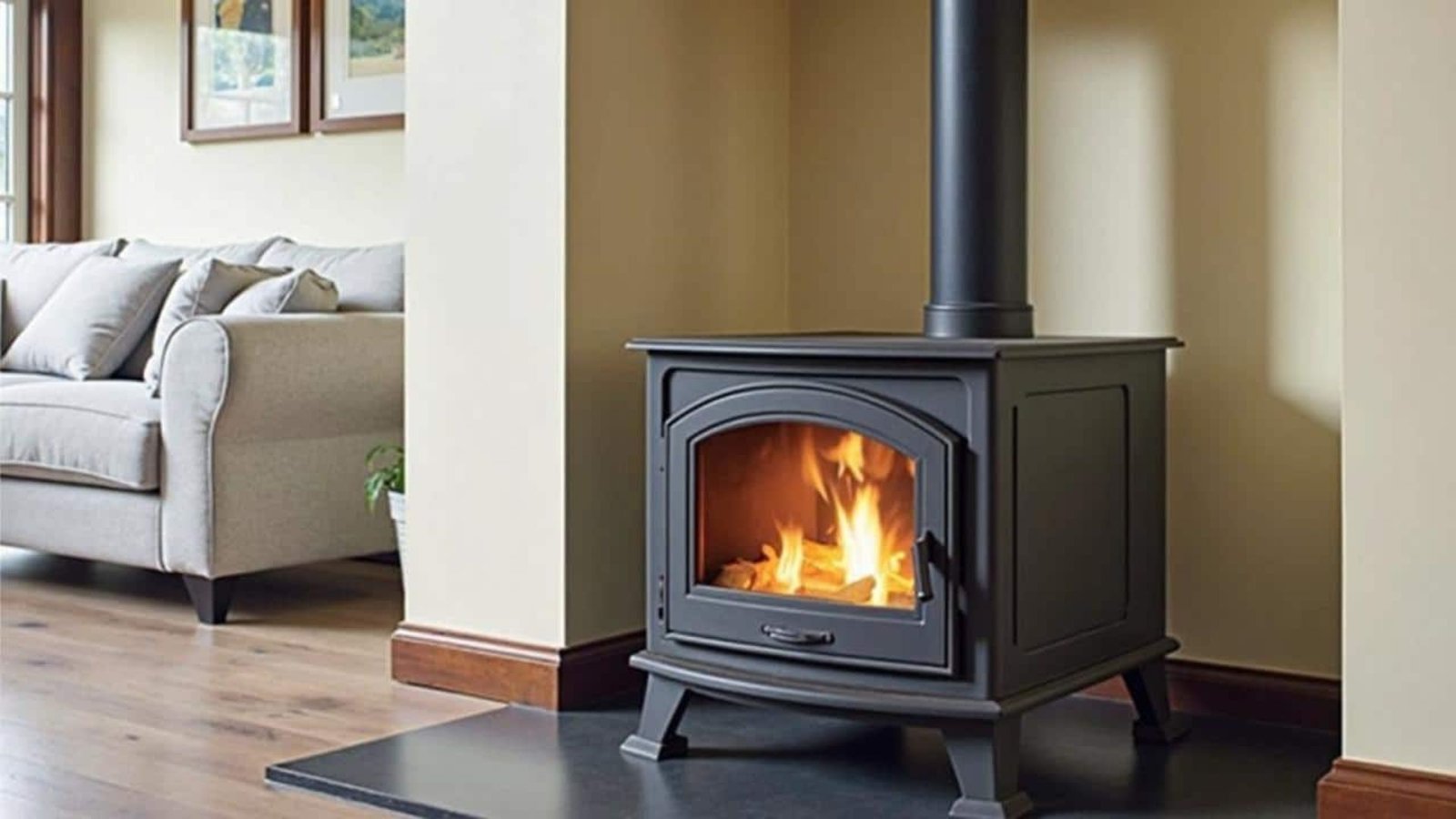
Choosing a wood stove isn’t just about adding a cozy glow to your living room—it’s about staying warm, saving money, and enjoying many winters without headaches. Imagine this: It’s a chilly November day in 2025, and you’re browsing online for that ideal wood-burning heater. Prices tempt you, sleek designs catch your eye, but one wrong choice could leave your home too hot, too smoky, or too costly to run. With rising energy costs and a push for eco-friendly home heating, selecting the right wood stove has never been more important.
In this guide, we’ll break down everything in simple terms. We’ll cover the basics of wood stove selection, share five key tips based on real homeowner stories, and help you dodge common pitfalls. Whether you’re upgrading your old fireplace or installing your first stove, these insights will make your decision easier. By the end, you’ll know how to match a stove to your home, budget, and lifestyle. Let’s dive in and turn your winter dreams into reality.
Why Size Your Wood Stove Right? Understanding Heat Needs
One of the biggest mistakes people make is grabbing the most powerful wood stove they see, thinking “more heat is better.” But just like picking a car, you don’t need a race car’s engine for city drives—it’ll waste fuel and feel overwhelming. A wood stove’s power is measured in kilowatts (kW), which simply means how much heat it pumps out per hour. Too big a stove for your space, and you’ll end up cracking windows in winter or dealing with smoky backups.
For example, a 10 kW stove in a small 25 square meter (about 270 square feet) room can turn your home into a sauna, hitting 27°C (81°F) even on mild days. This leads to uneven burning, where the fire guzzles wood inefficiently and leaves sooty glass doors. Homeowners often share stories of regret, like one couple who bought a 12 kW model for their cozy, well-insulated living room only to rarely light it because it overheated everything.
So, how do you figure out your needs? Start with a rough rule: Aim for 1 kW for every 10 square meters (108 square feet) in a modern, energy-efficient home. If your house is older with drafts, bump it to 1 kW per 8 square meters. But don’t stop there—think about your daily life. Do you work from home and need steady warmth all day? Or just evenings by the fire? Factor in insulation (thick walls keep heat in), room layout (open plans spread warmth better), and even south-facing windows that let in extra sun.
Quick Heat Calculation Tips
- Measure your space: Use a tape measure to note room sizes, ceiling heights, and nearby areas the heat might reach.
- Test your home’s coziness: On a cold day, see how quickly rooms warm with existing heaters—this hints at heat loss.
- Pro help: For accuracy, get a heat-loss survey from a local installer. It’s like a home energy audit but focused on stoves.
By matching power to reality, you’ll burn less wood, stay comfortable, and avoid that “what was I thinking?” moment.
The Top 5 Things to Check Before Buying a Wood Stove
Rushing into a purchase without planning is like building a puzzle without the box lid—you end up with pieces everywhere. Before you fall for a shiny model, grab a notebook and sketch your setup. This simple step uncovers hidden issues like where logs will stack or if the chimney path (called the flue) lines up.
Here’s what savvy buyers focus on—the five must-knows that separate a dream stove from a daily chore:
- Match Power to Your Actual Heating Demands: As we covered, calculate based on room size, insulation, and usage. A stove that’s too big wastes fuel; too small leaves you chilly.
- Plan the Flue and Installation Details: The flue is the pipe that vents smoke outside. If it’s twisted or far from the stove spot, expect extra costs for liners or rerouting. Always check safety clearances—stoves need space from walls (usually 12-18 inches) and furniture to prevent fires.
- Look for Certifications and Efficiency Ratings: Not all stoves are equal. Seek models certified by bodies like DEFRA (in the UK) for low emissions, or EPA (in the US) equivalents. Efficiency over 75% means it turns more wood into heat, not smoke—saving you 20-30% on fuel yearly.
- Think About Daily Practicalities: Where will you store dry logs? (You’ll need space for a season’s worth, covered from rain.) How easy is ash cleanup? (Some models have front-loading doors for simple sweeping.) And don’t forget tools like pokers and gloves—they add clutter if unplanned.
- Decide on Your Usage Type: Is this your main heat source for a small home, a backup for big houses, or just for cozy nights? Multi-fuel stoves (wood or coal) offer flexibility, while dedicated wood ones burn cleaner.
These checks ensure your stove fits seamlessly into your routine, turning cold evenings into inviting gatherings.
Dodge These 3 Common Wood Stove Buying Mistakes
Even with good intentions, traps lurk in showrooms and sales ads. Here’s how to sidestep them, especially with 2025’s trendy smart-stove features tempting impulse buys.
Mistake 1: Buying in a Panic During Cold Weather
A sudden freeze hits, and suddenly every ad screams “warm up now!” Resist. Instead, visit stores prepared: Measure your room, note vent locations, and visualize the stove’s spot. Ask sellers for tailored advice, not generic pitches.
Mistake 2: Falling for the “Flame Show” Over Function
Big glass doors look magical, letting you watch dancing fires. But they mean more cleaning (soot builds fast) and hotter radiant heat that toasts nearby sofas. If maintenance bugs you, pick smaller windows or self-cleaning glass options.
Mistake 3: Skipping Solid Installer Advice
A bad setup ruins even the best stove—think poor airflow causing smoke puffs or uneven burns. Vet installers by asking about your lifestyle: “How does this handle local damp wood?” or “What’s the air intake plan?” Remember, installation is 70% of success; get at least two quotes.
By spotting these early, you’ll invest wisely and enjoy reliable warmth.
Real Life with Your Wood Stove: What Happens After Install Day
Once your stove’s in, it’s not just decor—it’s a family friend. The first winter brings new joys: That crackle drawing everyone close, the earthy wood scent on rainy days, or embers glowing long after bedtime. But there are quirks too, like learning which logs burn slowest (hardwoods like oak) or why startup smoke sets off alarms until you master the draft.
In 2025, with apps tracking burn times and eco-tips, it’s easier than ever. Yet, the magic lies in real flames—nothing beats that primal comfort. Choose wisely, and your stove becomes a winter anchor, not a hassle.
Wood Storage and Maintenance Essentials Table
To make daily life smoother, here’s a handy table on key upkeep areas:
| Aspect | What to Do | Why It Matters |
|---|---|---|
| Wood Storage | Stack under cover; aim for 1-2 cubic meters per season; use racks to air-dry. | Keeps wood below 20% moisture (water content) for clean, hot burns; prevents mold. |
| Ash Handling | Empty weekly via easy-access door; store in metal bucket outside. | Avoids clogs that cause poor airflow; recycles ash as garden fertilizer. |
| Cleaning Routine | Wipe glass daily with damp cloth; vacuum around base. | Maintains clear views and safety; cuts soot buildup. |
| Annual Checks | Hire pro for flue sweep; inspect seals. | Meets insurance rules; spots issues like cracks early. |
This setup keeps things tidy and efficient.
Updated 2025 Tips: Eco-Friendly and Smart Upgrades
With climate goals front and center, 2025 brings fresh twists. Opt for stoves with catalytic converters—they trap pollutants for 90% cleaner burns. Smart models link to apps, alerting you to optimal load times or efficiency dips. And for budgets, rebates for high-efficiency units (check gov.uk or energy.gov) can slash costs by £500+.
Conclusion: Light Up Your Winters Right
Picking the right wood stove boils down to balance: Power for your space, smarts for your setup, and heart for those hygge nights. By focusing on these five tips—heat needs, installation, certifications, practicalities, and usage—you’ll avoid regrets and embrace affordable, joyful heating. In a world of electric alternatives, nothing rivals the simple satisfaction of wood fire warmth. Ready to shop? Measure up, consult pros, and let the glow begin. Your perfect stove awaits—may it warm your home for seasons to come.
FAQ: Quick Answers to Wood Stove Questions
How Many Kilowatts (kW) Do I Need for My Home?
A ballpark: 1 kW per 10 square meters in insulated spaces; 1 kW per 8 square meters for drafty ones. For precision, a pro heat-loss calc is best.
Can a Wood Stove Heat My Whole House?
Absolutely, in small, open-layout homes as primary heat. For larger spots, it’s great as backup alongside central systems.
Are Wood Stoves Cost-Effective in 2025?
Yes! Modern efficient models plus local dry wood beat electric or oil bills, especially with energy price hikes. Expect 30-50% savings if used smartly.
What’s the Best Wood to Burn?
Go for seasoned hardwoods like oak or beech—dried 1-2 years to under 20% moisture content (water level). They burn longer and hotter without excess smoke.
How Often Should I Maintain My Stove?
Daily: Quick ash scoop and vent check. Yearly: Full pro clean to keep it safe and insured.