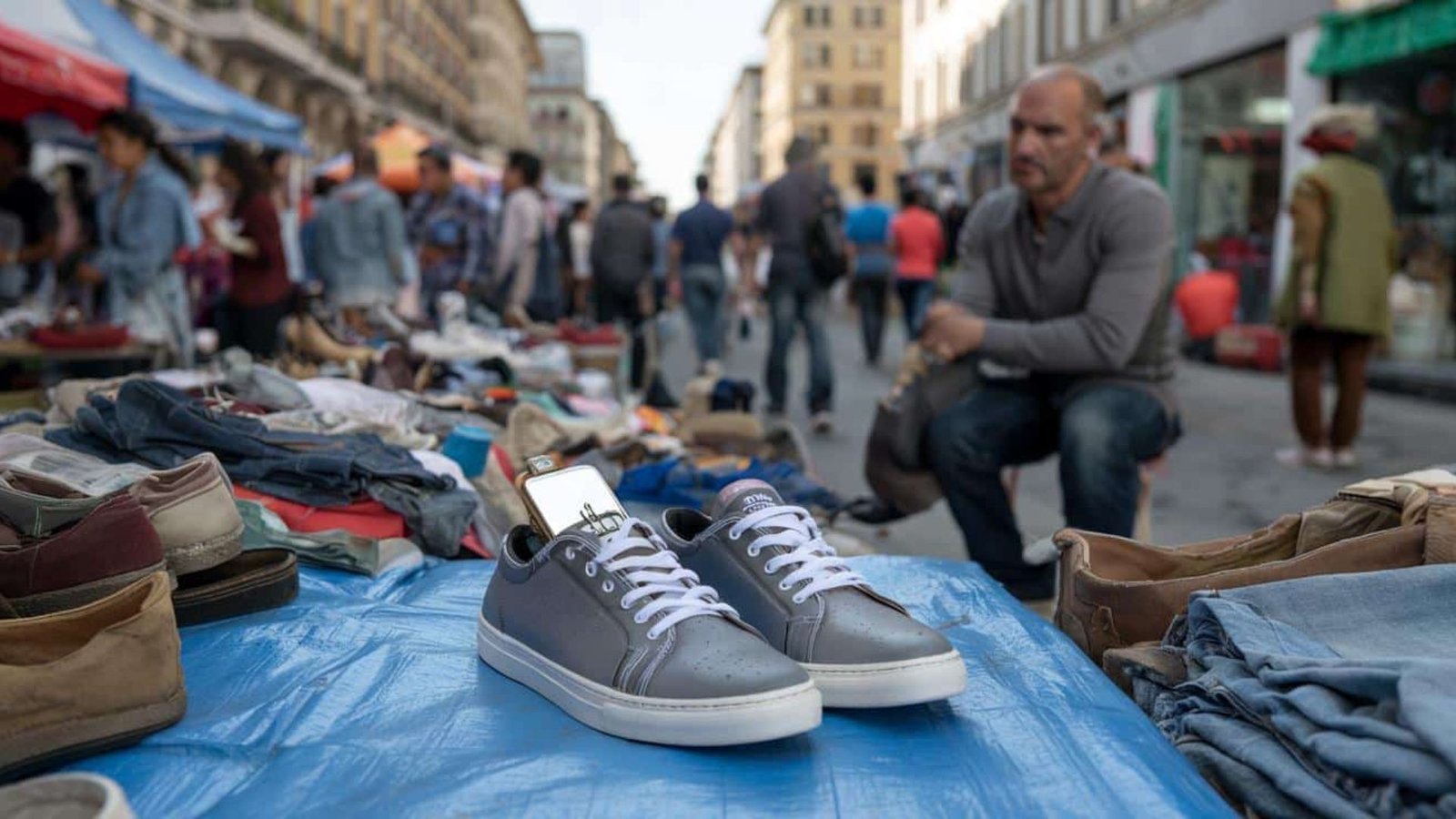
Imagine dropping off your old sneakers at a charity bin, feeling good about helping someone less fortunate. Now picture this: those same shoes show up for sale at a busy street market just days later. That’s exactly what happened to one curious guy who used a tiny gadget to follow his donation’s secret journey. In this eye-opening story, we’ll uncover what really happens to your donated clothes and shoes – and how you can make your giving count even more. If you’ve ever wondered where your stuff goes after the bin, this is the wake-up call you’ve been waiting for.
This discovery isn’t just a wild tale; it’s a peek behind the curtain of charity donations. With rising concerns about transparency in giving, stories like this are buzzing online. Keywords like “donated clothes sold at markets,” “AirTag donation tracking,” and “what happens to charity donations” are topping searches today. Stick around as we break it down in simple terms, share tips for smarter giving, and answer your burning questions.
The Simple Act That Sparked a Big Surprise
It all started on a dull Tuesday afternoon. Mark, an everyday office worker with a love for gadgets, had a pair of nearly new branded sneakers gathering dust in his closet. Instead of tossing them, he decided to do something kind. He cleaned them up, made sure they looked sharp, and headed to the nearest Red Cross donation bin. “Someone out there could really use these,” he thought, slipping them into the metal container with a smile. It was a quick, feel-good moment – the kind we all chase when clearing out our stuff.
But Mark had a secret plan. Tucked away inside the shoe’s soft inner padding (called the insole, which you can easily lift out), he hid a small Apple AirTag. This little device, about the size of a coin, connects to your phone via Bluetooth and uses nearby Apple devices to send its location. No big conspiracy – just pure curiosity. Mark had seen social media posts claiming donated items pop up in thrift stores or even overseas markets. “I just wanted to know the real story in my own town,” he later shared.
Life went on for Mark: work emails, grocery runs, the daily grind. Then, two days later, he pulled out his phone and opened the “Find My” app. His heart skipped a beat. A blinking dot on the map showed his “lost” sneakers weren’t lost at all – they were on the move, halfway across the city.
Tracking the Hidden Path: From Bin to Bargain Stall
What followed was like watching a real-life adventure movie, but on your phone screen. Mark refreshed the app obsessively, just like checking a delivery tracker. The dot zipped from the donation bin to a big storage building near a busy road – likely a sorting spot where volunteers check and pack items. Next, it stopped at a smaller warehouse on the edge of town. By the weekend, the signal settled in a lively area famous for its weekend flea markets, where folks haggle over cheap finds.
Unable to resist, Mark grabbed his coat and drove over. The market was alive with chatter: stalls piled high with faded jeans, dusty gadgets, and stacks of footwear. He wandered row by row, phone in hand, until the app’s dot lined up perfectly with a blue sheet on the ground. There they were – his sneakers, polished up, laces neatly tied, and scribbled with a sale price in bold marker. £15. Not gifted to a family in need, but up for grabs like any other second-hand deal.
Standing there, staring at his own shoes amid the chaos, Mark felt a mix of shock and sadness. The warm glow of donating faded fast. This tiny tracker had peeled back the layers, showing that charity isn’t always the straight shot we imagine. It’s more like a winding road with unexpected turns.
Why Donations Take This Twisty Route – Explained Simply
Let’s be real: no one drops off donations expecting a thank-you note from the recipient. But most of us picture a simple chain – you give, charity sorts, someone thankful gets it for free. Mark’s AirTag proved it’s way more tangled. After pickup, items head to collection hubs where teams sort by type: clothes here, shoes there, damaged stuff aside. Good pieces might go to emergency shelters, but many enter a bigger system.
Here’s the key twist: charities like the Red Cross often team up with sellers to turn donations into cash. Why? Running big aid programs – think disaster relief or health clinics – costs a ton. Selling gently used items at low prices brings in money without asking for more checks. In places like the UK and US, studies show only about 20-30% of clothing donations go straight to people in tough spots. The rest? Sold in shops, bundled for export, or broken down for recycling into new fabrics.
This isn’t shady – it’s smart business for good causes. But it bumps heads with our feel-good story. You envision a kid in your shoes, not a shopper bargaining them down. And there’s a fuzzy area: once items leave the charity’s hands, they might slip into unofficial channels, landing at local markets through middlemen. Mark couldn’t tell if his sneakers were part of an official sale or a sneaky side deal – the app just showed the spot, not the paperwork.
Globally, it’s even wilder. Tons of “rich country” donations flood markets in Africa, Asia, and Eastern Europe. Some spots rely on these cheap imports for jobs, but others say it hurts local clothing makers by undercutting prices. Your one small act ripples far – for better or worse.
The Bigger Picture: Charities’ Open Secret on Selling Donations
Big groups like the Red Cross aren’t hiding this – they just don’t shout it from the rooftops. Their websites and yearly reports explain it plainly: “We sell some donations to fund our life-saving work.” That cash buys medicine, builds shelters, or feeds families in crises. It’s efficient at scale – imagine trying to hand out free shoes to thousands without a budget.
But emotions run high. Donating feels personal, like a direct hug to a stranger. Learning it’s more like funding a machine can sting. Mark’s story spotlights a gap: bins say “Help those in need!” but skip the “Some becomes store stock” fine print. Experts in aid logistics put it bluntly: “Donors give items or money – both fuel the work, but folks mix them up.”
This isn’t unique to one charity. Smaller ones might give everything away free, but they handle less volume. The lesson? Ask before you drop. A quick email or site check reveals the rules. Knowledge turns blind giving into smart support.
Real-Life Insights: A Table of Donation Realities
To make it crystal clear, here’s a simple table breaking down the common paths your donated shoes or clothes might take. Based on reports from aid groups and studies, this shows the odds and outcomes:
| Donation Path | What Happens | Percentage (Approx.) | Impact on Your Gift |
|---|---|---|---|
| Direct Aid | Sent straight to shelters, refugees, or low-income families for free. | 20-30% | Feels most rewarding – immediate help to someone in need. |
| Resale for Funds | Sold at thrift stores or markets; money goes to charity programs like food banks or medical aid. | 40-50% | Still helps, but indirectly – your shoes fund bigger efforts. |
| Export Bulk | Shipped overseas in big bales to support global markets or recycling. | 20-30% | Creates jobs abroad, but might flood local sellers and reduce new clothing production. |
| Recycling | Turned into rags, insulation, or new yarn if too worn. | 10-20% | Eco-win – reduces waste, but no direct person-to-person gift. |
Source: Adapted from UK charity reports and global textile studies (2024-2025). Percentages vary by organization and item type.
This table isn’t doom and gloom – it’s a roadmap. Spotting your donation’s likely route helps you pick the right spot to give.
How to Donate Like a Pro: Tips for Maximum Good
Shaken but not stopped, Mark did what few do: he emailed his local Red Cross. Their reply? Straightforward and kind. Yes, some items sell to raise funds; others go direct. No cover-up, just everyday operations. Inspired, Mark – and now you – can tweak habits for better results.
Start with direct giving. Skip the bin; hit up neighborhood spots like homeless centers or women’s refuges. They post “wish lists” online: size 9 boots, warm jackets, kid’s backpacks. It takes effort – calling ahead, dropping off during hours – but your gift lands exactly where needed, no middle steps.
Quality counts too. Charities drown in ratty tees and holey socks. If it’s trash to you, it’s landfill fodder to them (costing time to sort). Donate what you’d loan a buddy: clean, functional, fresh. Pro tip: Wash everything first – a courtesy that speeds things up.
Or go cash-only. Money lets groups buy fresh, local needs – no shipping hassles. £20 might snag perfect-fit shoes versus guessing sizes from a bin. Seasoned givers swear by “less but better”: one solid coat over a bag of junk.
Finally, chat it out. Top charities now add resale disclaimers to sites. If that bugs you, find transparent ones or apps matching donors to needs. Questions to ask yourself before donating:
- Does this group’s model match my vibe (free gifts or smart sales)?
- Am I cool if my item hits a market stall?
- Would cash work better here?
- Is there a tiny local team needing this exact thing?
- Am I dumping clutter or truly helping?
One aid pro nailed it: “See your donation as fuel – objects or cash – and pick the engine that runs cleanest for you.”
What This AirTag Adventure Says About Us All
As Mark left the market that day, he didn’t snatch his sneakers back. He walked away, letting them join the flow. The tracker’s signal flickered on for weeks – maybe snagged by a budget shopper, maybe a teen scoring a deal. Then it went dark, off to a new chapter.
What lingered wasn’t anger, but a gentle nudge to grow. We love the quick charity high – bag in bin, pat on back. But real help? It’s layered, sometimes sales-y, often invisible. That gap between dream and deed? An AirTag bridged it, forcing a glance back.
In our busy world, giving stays surface-level. This tale pushes deeper: aware, picky, connected. Next bin stop, pause. Google a shelter. Wire funds. Or, hey, tuck in a tracker for fun (ethically, of course). Whatever your move, it’ll pack more punch – and peace.
Conclusion: Turn Curiosity into Compassionate Change
Mark’s sneaker saga shines a light on donation truths we dodge: not every gift zips straight to a smile, but every one can spark real change if given wisely. From hidden trackers exposing market stalls to simple swaps like cash over clutter, the power’s in your hands. In 2025, with giving under the microscope, let’s ditch the illusions for impact. Whether it’s shoes, coats, or coins, make your mark count. Start small today – check a charity site, sort your closet with intent. Your next donation? It’ll feel less like luck, more like legacy. What’s one step you’ll take? Share in the comments – let’s build better giving together.
FAQ: Your Top Questions on Donation Tracking and Charity Truths (Updated November 30, 2025)
Is it wrong for charities to sell donated items like shoes?
No, it’s often legal and helpful. Selling raises money for urgent needs like food or medicine. Just check the group’s policy – many explain it upfront.
Does this mean my donations are wasted if they get resold?
Absolutely not! Sales fund big programs, turning your old kicks into aid for thousands. It’s indirect, but mighty effective.
How can I track my own donation like the AirTag story?
Ethically? Stick to apps from charities showing impact stats. For fun experiments, use trackers sparingly – respect privacy rules.
What’s better: donating stuff or straight cash?
Cash usually wins for flexibility – groups buy what’s hot now. But quality items rock for direct spots like local shelters.
Should I avoid big charity bins after hearing this?
Not at all! They fuel huge good. But mix in direct drops or money for a fuller feel. Transparency is trending – more orgs are spilling the beans in 2025.
How do I find trustworthy local giving options?
Search “shelter wish lists near me” or apps like GoodSAM. Call ahead – many need specifics like winter gear this season.