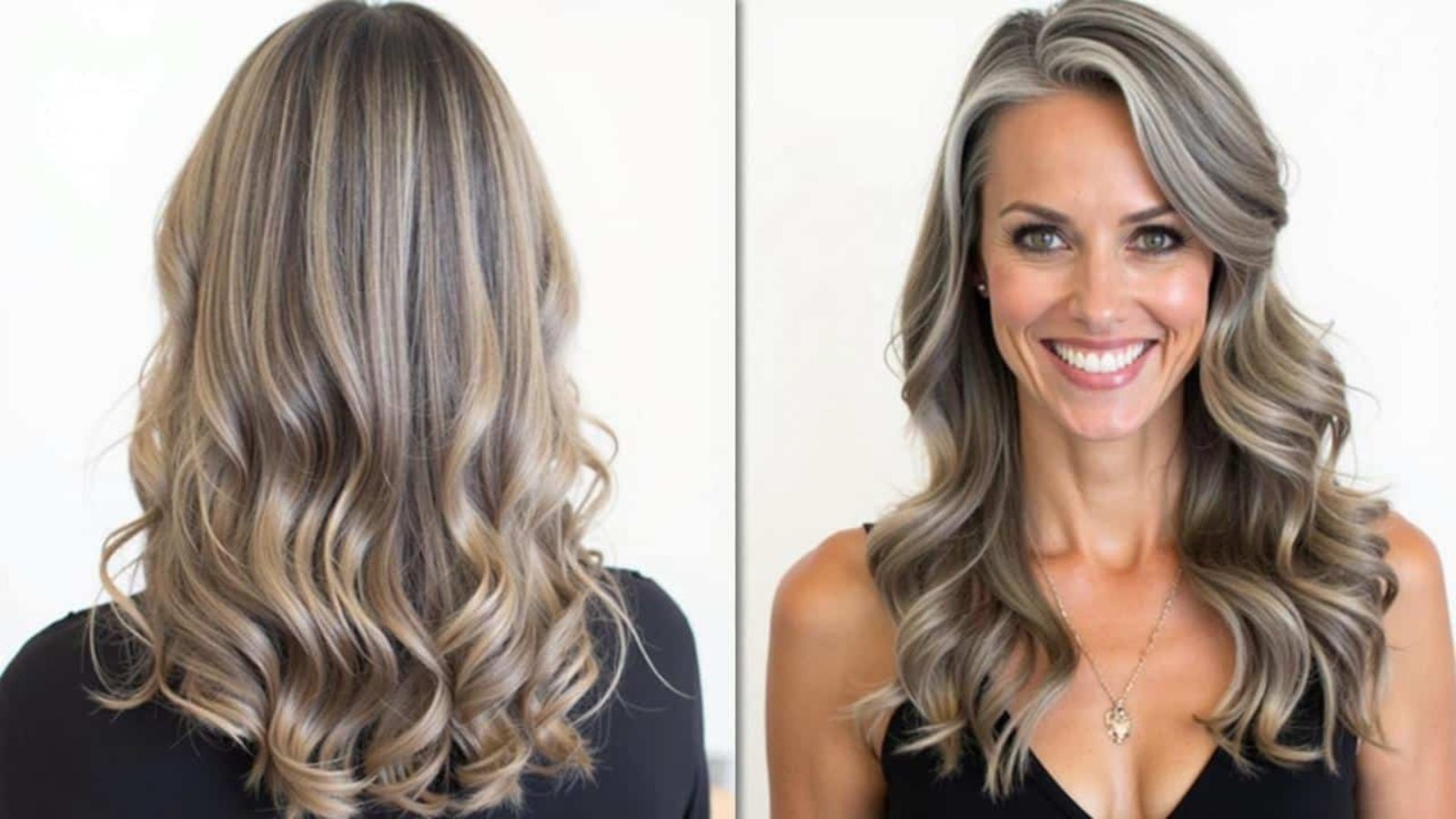
In the world of hair coloring, who hasn’t stared at their reflection and wished those pesky gray strands would just blend in? If you’re tired of constant root touch-ups or the stark lines from traditional highlights, there’s a fresh approach turning heads in salons worldwide. Welcome to “melting” – a smart, low-fuss coloring method that’s making gray hair look natural, effortless, and anything but obvious.
No more fighting your natural color; instead, embrace a seamless blend that feels like it grew that way. In this guide, we’ll break down what melting is, how it works, and why it’s the go-to for anyone wanting hair that looks lived-in and fabulous. Whether you’re just spotting a few silvers or dealing with a full salt-and-pepper mix, melting could be your new secret weapon for confidence-boosting color.
Why Melting Is Replacing Balayage for Mature Hair
Remember when balayage was all the rage? That freehand painting technique gave us those sun-kissed ends and soft fades, perfect for beachy vibes and Instagram scrolls. But here’s the catch: as gray hairs pop up, especially around the temples or crown, balayage can leave them standing out like sore thumbs. Those untouched roots? They scream “time for a touch-up!” instead of whispering “effortless chic.”
Enter melting, the evolved cousin that’s all about harmony. Instead of battling gray with heavy coverage, melting invites it into the mix. Hair experts blend multiple shades – think soft beiges, smoky taupes, or warm caramels – right from the scalp down through the lengths. The result? Gray doesn’t vanish; it becomes a subtle texture, like threads in a cozy sweater. No harsh lines, no weekly panic sessions at the salon.
This shift isn’t just trendy; it’s practical for busy lives. In today’s fast-paced world, where we’re juggling work, family, and everything in between, who has time for high-maintenance hair? Melting stretches your color’s lifespan, letting you go longer between visits while keeping things fresh. It’s especially popular among women in their 40s and beyond, who want to look polished without the drama. As one stylist put it, “We’re not hiding age – we’re highlighting your best self.”
The Science Behind Blending Gray: How Melting Creates That “Invisible” Effect
At its core, melting is like a gentle watercolor wash for your hair. Traditional coloring often uses bold blocks of one shade, which clash with growing gray roots. Melting, however, layers translucent tones that overlap and fade into each other, creating a soft gradient. This tricks the eye – sharp contrasts fade, and your hair catches light in a multi-dimensional way.
Why does it work so well on gray? Gray hairs reflect light differently; they’re wiry and shiny, drawing unwanted attention. By surrounding them with complementary hues – a cooler ash near the face to mimic silver glow, or a warmer mid-tone for depth – melting turns that shine into an asset. It’s not magic; it’s optics. Your brain sees unity instead of division, making roots “forgettable” even as they grow about half an inch a month.
From a pro’s view, the process starts with mapping your gray pattern. Are they clustered at the front? Scattered everywhere? That informs the shade palette: usually three tones, like a neutral base, a bridging color, and a subtle lift. Applied without foils, it’s feathered for blur, not stripes. The outcome? Hair that shifts beautifully in natural light – golden in the sun, cozy under lamps – without looking “done.”
Real talk: This technique shines on various hair types, from fine and straight to thick curls. For darker bases, opt for earthy melts like chestnut with pearl accents. Lighter locks? Champagne tones keep it airy. And the best part? It ages gracefully. Fading happens evenly, so regrowth blends rather than bands.
Step-by-Step: What Happens During a Melting Session
Curious about the chair experience? Here’s a simple breakdown:
- Consult and Test: Your stylist chats about your goals – “blend, not cover” – and does strand tests to see how your gray absorbs color.
- Shade Selection: They pick 2-4 tones based on your skin warmth (cool undertones pair with ashy melts; warm with golden).
- Application: Color is hand-painted in zones, overlapping at roots and mids for seamless flow. No heat, just time for development.
- Rinse and Tone: A gentle shampoo, then a gloss to lock in shine. Total time? About 90 minutes.
- Style and Go: Blow-dry for that fresh-from-the-salon bounce, with tips on home care.
It’s relaxing, not rigid – many leave feeling lighter, literally and figuratively.
Benefits of Gray Melting: Low Maintenance, High Impact
Why switch to melting? Beyond the wow factor, it’s a game-changer for real life. Here’s a quick comparison to show how it stacks up:
| Feature | Traditional Balayage/Root Cover | Gray Melting Technique | Why It Wins for You |
|---|---|---|---|
| Root Visibility | High – grays show fast at part | Low – blends into gradient seamlessly | Fewer salon trips, less stress |
| Maintenance Frequency | Every 4-6 weeks | Every 8-12 weeks with gloss | Saves time and money long-term |
| Natural Look | Can feel “dyed” after growth | Lived-in, multi-tonal from day one | Effortless style that evolves with you |
| Gray Handling | Covers aggressively | Integrates as texture | Embraces maturity without hiding it |
| Versatility | Best for low-gray hair | Works on any level or texture | Custom fit for your unique hair story |
As the table highlights, melting isn’t just prettier – it’s smarter. Clients report feeling freer, with compliments shifting from “Love the color!” to “Your hair looks amazing – what’s your secret?” It’s empowering, turning a common aging “issue” into a stylish choice.
Tips for Perfecting Your Melt: From Salon Chat to At-Home Care
Ready to book? Start with the right words: Tell your stylist, “I want a diffused blend that softens my grays without full coverage.” Bring inspo pics of subtle, multi-shade looks – not stark blondes. If you’re easing in, try a face-framing melt first.
Post-salon, keep it lush with easy habits:
- Shampoo Smart: Use color-safe, sulfate-free formulas weekly; add a purple rinse monthly to nix brassiness.
- Protect Daily: Heat tools? Always spritz protector. Hot showers strip tone faster.
- Refresh Routine: A quick gloss every two months revives the fade – think of it as a hair spa day.
- Avoid Pitfalls: Skip super-dark roots (they clash later) and match tones to your skin for harmony.
Pro tip: If your hair’s damaged, go semi-permanent for a gentle test run. With these steps, your melt stays vibrant, and grays stay in the background.
Embracing the New You: Gray as Your Signature Shade
In a culture obsessed with perfection, melting reminds us that beauty thrives in the blend. It’s not about erasing time’s marks but weaving them into your narrative – grays as subtle highlights, not headlines. As we head into 2025, this technique aligns with the “pro-aging” wave: confident, authentic, and unapologetic. Imagine glancing in the mirror and thinking, “That’s me, upgraded,” instead of “Touch-up time.” That’s the melt magic.
Whether you’re a busy pro or a creative soul, melting offers control and ease. It’s hair color that supports your life, not the other way around. So, next salon visit, ask for the melt. Your roots – and your reflection – will thank you.
Conclusion: Melt Into Effortless Elegance Today
Gray melting isn’t a trend; it’s a transformation. By blending shades strategically, it turns potential frizz into finesse, saving you time while boosting your glow. We’ve covered the why, how, and what-next – now it’s your turn to shine. Consult a colorist skilled in low-contrast techniques, and step into hair that feels as good as it looks. In 2025, forget the fight; choose the flow. Your most forgettable grays? They’re about to become your most memorable feature.
FAQ: Your Top Questions on Gray Melting Answered
What’s the difference between melting and balayage?
Melting focuses on root-to-tip blending to hide grays softly, while balayage is more about painting highlights on the ends for a sunlit effect. Melting is ideal if roots are your main worry.
Does melting make gray completely disappear?
Nope – it camouflages it beautifully. The goal is integration, so grays add dimension without dominating, giving a natural, non-“dyed” vibe.
How often do I need to maintain a melt?
Aim for a refresh every 8-10 weeks. A simple toner or gloss keeps tones fresh without full re-dos.
Can I do melting on dark hair with heavy gray?
Absolutely! Use cool, smoky shades like taupe or espresso melts to create depth. It might take two sessions for full coverage, but the results are stunningly subtle.
Is melting suitable for curly or textured hair?
Yes, it enhances curls by adding shine and movement. Just ensure your stylist has experience with textured hair to avoid uneven application.
What’s the cost of a gray melting session?
It varies by salon, but expect $150-300, similar to balayage. The long-term savings on touch-ups make it worthwhile.