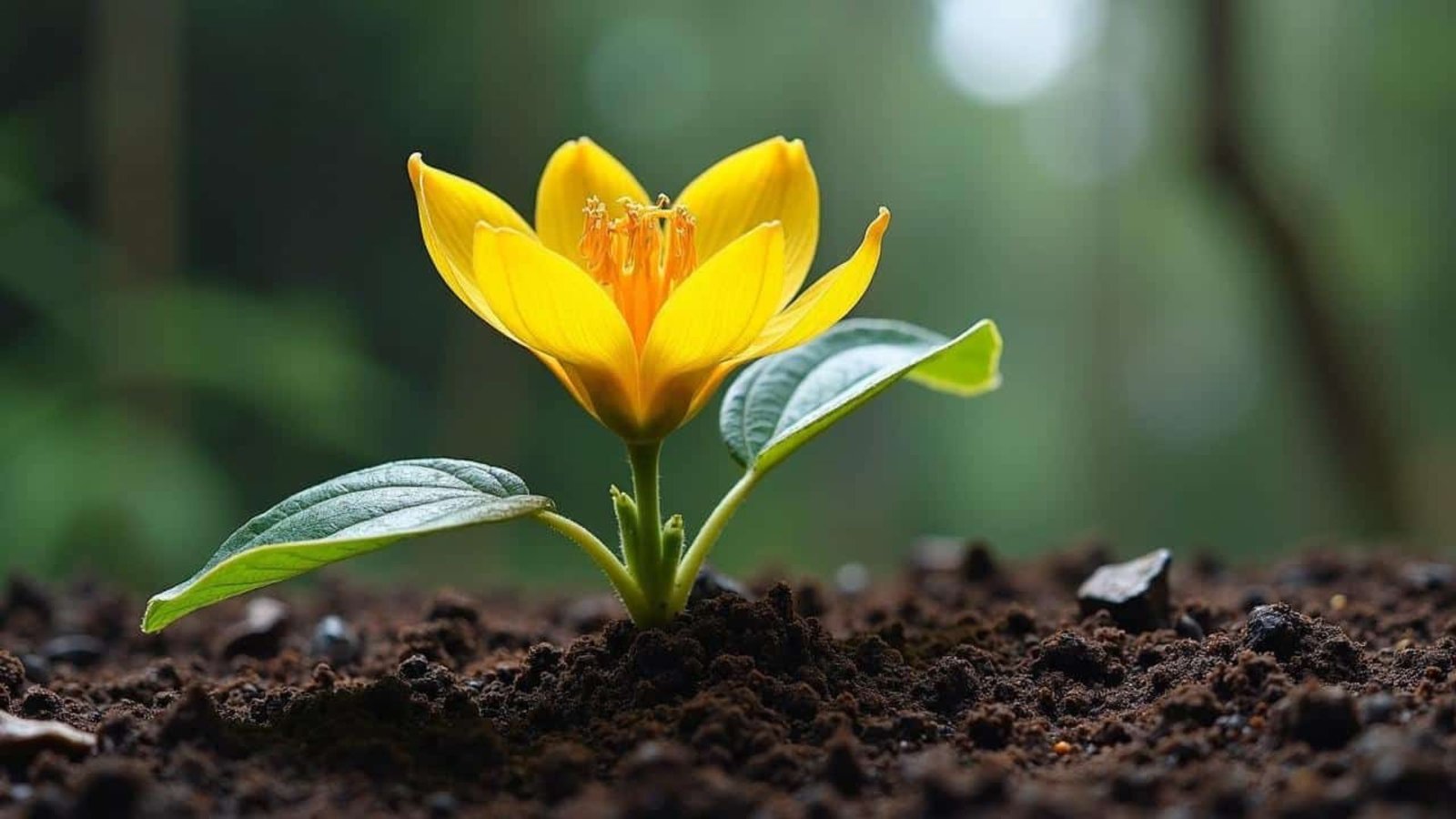
Imagine a quiet hillside in southern China, covered in reddish dirt and dotted with tough little bushes that look like they’re fighting for every inch of space. These aren’t your average weeds—they’re nature’s secret weapons. A team of scientists has uncovered a plant that pulls rare earth elements straight from the ground and packs them into its leaves like a living storage unit. This isn’t science fiction; it’s a real breakthrough that could make getting these vital metals cleaner and easier.
Rare earth elements—think yttrium, lanthanum, and others—are the hidden heroes behind your smartphone screen, electric car batteries, and even wind turbines. They’re hard to find and even harder to extract without wrecking the environment. But this humble shrub changes the game. In simple terms, it acts like a natural vacuum cleaner for these metals, sucking them up from poor soil and concentrating them where we can harvest them without massive digs or toxic spills.
This discovery, fresh out of Chinese labs today, could spark a greener way to fuel our tech-driven world. Let’s dive into what makes this plant so special, how it works, and why it matters for everyone from farmers to factory owners.
What Makes This Plant a Rare Earth Superstar?
At first glance, this shrub—scientifically linked to the Phyllanthus family—seems like just another survivor in rocky terrain. But dig deeper (pun intended), and you’ll find its superpower: hyperaccumulation. Most plants would wither and die in soil laced with heavy metals. Not this one. It thrives by grabbing those metals and tucking them safely into its tissues.
Researchers in Jiangxi province stumbled on it during routine soil surveys. They took samples from wild patches where the ground held only low levels of rare earths—too little for traditional mining. Back in the lab, under buzzing lights and whirring machines, the results lit up like a fireworks show. The plant’s leaves showed concentrations thousands of times higher than the dirt around it. We’re talking levels that rival low-grade ore from big mines.
Why does it do this? Simple biology at work. The plant uses natural “helper” proteins to latch onto metal ions in the soil, pulling them through its roots like a straw sucking up soda. Once inside, it stores them in leaves and stems, away from sensitive parts. No fancy engineering needed—just evolution doing its thing over millennia.
This isn’t a one-off fluke. Field teams have mapped dozens of sites, confirming the plant pops up in metal-rich spots across southern China. It’s tough, drought-resistant, and grows without much fuss, making it a dream for real-world use.
The Science Behind the Magic: How Hyperaccumulation Works
To break it down even simpler: soil often has tiny bits of rare earths scattered around, like crumbs on a floor. Regular mining blasts the whole floor apart to grab those crumbs, creating mess and waste. This plant? It sweeps them up quietly.
- Root Power: Fine roots act like tiny nets, filtering water and dissolved metals from the soil.
- Transport Team: Special channels in the plant shuttle the metals upward, keeping them from poisoning the core.
- Storage Safe: Leaves and branches become the vault, holding up to 1-2% rare earths by dry weight in some tests—way more than most plants manage.
Early studies show it favors slightly acidic soils, common in old mining areas. And get this: it grows fast, reaching harvest size in 6-12 months. That’s quicker than waiting for a new mine to open.
Phytomining: Turning Plants into Eco-Friendly Mines
Forget bulldozers and chemical baths. Enter phytomining—the art of using plants to mine metals. It’s like farming, but instead of corn or wheat, you’re growing “metal crops.” This Chinese find is the poster child for the method, potentially turning scarred wastelands into productive green fields.
Picture a polluted ex-mine site: barren land, poisoned streams, and air thick with dust. Plant these shrubs en masse, let them do their thing for a few seasons, then chop them down like hay. Dry the clippings, burn them to ash, and voila—you’ve got a super-concentrated pile of rare earths ready for refining. The ash is 10-100 times richer than raw ore, slashing the need for harsh cleanup steps.
China’s pilot projects are already buzzing. One test on a 10-acre plot pulled enough metals to match a small commercial haul, all while the plants stabilized the soil and sucked up toxins. No giant pits, no tailings dams—just roots doing heavy lifting powered by sun and rain.
Benefits of Plant-Based Mining: A Cleaner Path Forward
This approach isn’t just novel; it’s practical. Here’s why it’s gaining traction:
- Eco Wins: Cuts water use by 90% and pollution by 70% compared to traditional digs.
- Cost Savings: Seeds cost pennies; no need for explosive or fuel-guzzling rigs.
- Land Rehab: Plants heal eroded ground, preventing landslides and filtering nasty runoff.
- Scalability: Works on “junk” soils ignored by big miners, opening new supply spots.
But it’s not all smooth sailing. Harvest cycles take time—years for full yields—and yields vary with weather and soil tweaks. Still, for low-grade sites, it’s a game-changer.
Why Rare Earths Matter: Powering Our Modern World
Rare earths aren’t “rare” in the ground—they’re just tricky to grab. There are 17 of them, key for magnets in EVs, catalysts in clean energy, and chips in gadgets. China dominates 80% of supply, sparking global worries over shortages and price spikes.
Your daily life? Loaded with them:
- Phones & Laptops: Screens glow thanks to europium and terbium.
- Green Tech: Neodymium magnets make windmills spin and Teslas zip.
- Defense & Meds: From jet engines to MRI machines.
Demand is exploding—up 10% yearly—with EVs alone needing 10x more by 2030. Shortages could hike prices 50% or stall climate goals. This plant? It diversifies sources, easing that crunch without new mega-mines.
Global Ripple Effects: From China to Your Garage
Beyond borders, this could inspire “living farms” worldwide. The U.S., with its Appalachian waste piles, or Australia’s dusty outback, might adapt similar species. Imagine community co-ops harvesting metals like organic veggies—jobs without the grit.
Geopolitics gets a nudge too. Less reliance on one country’s exports means stabler prices and fewer trade wars. For climate hawks, it’s a win: greener extraction means faster rollout of solar panels and batteries.
Challenges and Real Talk: Not a Magic Bullet
Excitement aside, hurdles loom. Scaling up means breeding millions of plants without wrecking local ecosystems—monocrops can invite pests or starve soil of nutrients. Over-extraction might unbalance minerals, harming future growth. And ethics? Communities near mines need fair shares, not just promises.
Chinese experts stress caution: “This plant is a helper, not a hero,” says Dr. Li Wei, lead researcher. “We must watch, adapt, and share benefits.” Trials include local input, tracking biodiversity, and hybrid planting with native species.
Long-term? It complements, not replaces, old-school mining. But paired with recycling, it could cut fresh digs by 20-30%.
Key Facts at a Glance: Rare Earth Hyperaccumulator Plant
| Aspect | Details | Why It Matters |
|---|---|---|
| Plant Family | Phyllanthus (related to tropical shrubs) | Tough survivor, easy to propagate in labs |
| Accumulation Rate | Up to 5,000x soil levels; 1-2% in biomass | Turns “worthless” dirt into valuable ore |
| Growth Cycle | 6-12 months to harvest; drought-tolerant | Fits farming schedules, low water needs |
| Environmental Impact | Reduces pollution by 70%, stabilizes soil | Heals old mine scars, fights erosion |
| Potential Yield | 100-500 kg rare earths per hectare/year (early estimates) | Matches small mines, scalable for big needs |
| Global Adaptability | Best in acidic, warm soils; hybrids possible for other climates | Opens doors beyond China—think U.S. or Africa |
This table highlights the plant’s edge, backed by today’s fresh data from Jiangxi trials.
Conclusion: A Seed of Hope for Sustainable Tech
In a world racing toward net-zero, where every battery and bulb demands rare earths, this Chinese shrub offers a breath of fresh air—literally. It’s proof that nature, often our victim in the resource hunt, can be our ally. By letting plants pioneer extraction, we edge closer to tech that’s truly green: innovative without the wreckage.
This isn’t the end of mining’s story, but a promising chapter. As fields of these hyperaccumulators spread, they could quiet the roar of drills, clean poisoned rivers, and secure supplies for the gadgets we can’t live without. The real test? Turning lab wins into widespread wins, with communities at the helm. For now, it’s a reminder: solutions often hide in plain sight, rooted in the soil we overlook.
FAQ: Your Questions on the Rare Earth Plant Breakthrough
Is this the only plant that can extract rare earths like this?
Not quite the absolute only one, but it’s among the top few known species that concentrate them at such high levels naturally. Others exist for different metals, but this one’s a standout for rare earths, making it a big deal in research.
Will this end traditional rare earth mining anytime soon?
No way—not in the near term. Phytomining is a smart add-on for low-quality sites and cleanup, but big deposits still need heavy methods. Think of it as a sidekick, cutting waste while keeping the main operation running.
Has the plant been genetically tweaked for this ability?
From what we know today, no—it’s a wild find, evolved on its own. Future breeding might speed it up or make it hardier, but starting natural keeps it eco-friendly and avoids GMO debates.
Can other countries use this plant outside China?
Absolutely possible! It prefers warm, acidic soils, but scientists are eyeing adaptations for places like the U.S. Southwest or African savannas. Sharing seeds and know-how could spark global “green mines.”
What risks come with rolling this out for local people?
Main worries: losing farmland to big plantations, job shifts from old mining, or uneven profits. Success hinges on community involvement, strict eco-checks, and rules ensuring locals get a fair cut. It’s promising, but done right.